

Tricks of the mind
The Psychology of Persuasion: How to motivate people and influence behaviour
Understanding why people do what they do has never been more important. Whether you’re leading teams, shaping organisational culture, or designing digital experiences, the ability to influence behaviour rests on one essential foundation: understanding how the human mind works.
In order to influence or affect user/customer behaviour, we must understand behaviour.
This article explores the psychological principles behind persuasion and motivation, drawing on behavioural science, cognitive psychology, and the unconscious processes that drive everyday decisions.
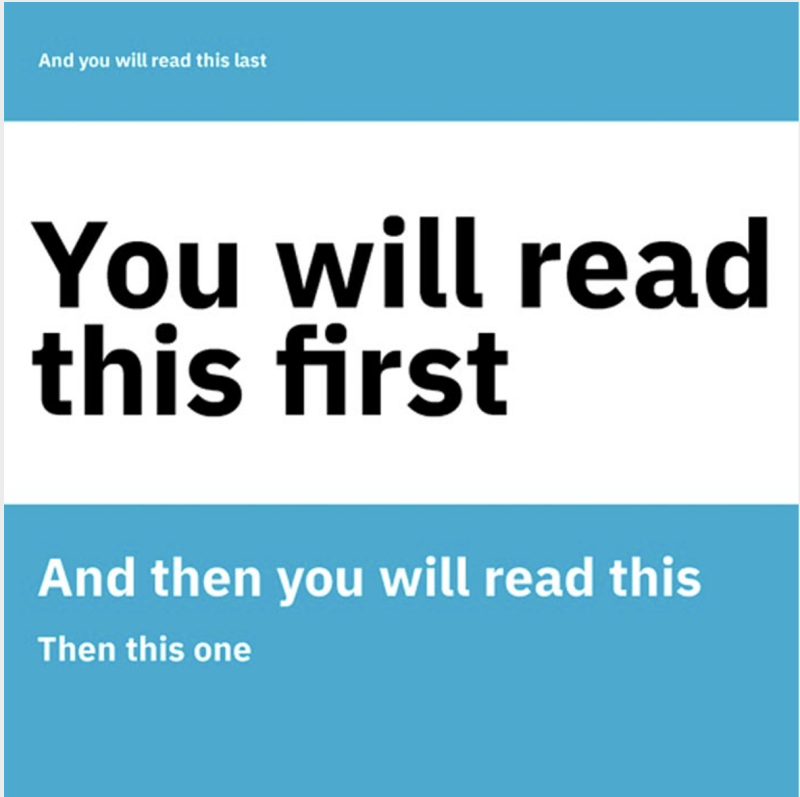
How the brain makes decisions
Human behaviour is shaped by two parallel systems in the brain, one brain, two systems — a fast, automatic system and a slower, deliberate one.
- System 1 is fast, unconscious, automatic, every day decisions and often error‑prone.
- System 2 is slow, conscious, difficult, complex decisions and reliable.
Most decisions happen unconsciously. Most of our ‘decision making processes’ happen in parallel and generally without our conscious (System 2) being aware. We generally only validate 10% of our unconscious thoughts.

This means that if you want to influence behaviour, you must design for the automatic mind, not just the rational one.
The power of Priming
Priming shapes how people interpret information before they even realise it. Priming involves establishing a mind-set… information is either remembered or forgotten.
Priming works by:
- Making information feel easy or familiar
- Reducing cognitive strain
- Nudging people toward a preferred choice
Make it easy or make it strained:
Easy - if you're in a good mood, you'll trust your intuitions and be casual
Strained - You'll put more effort in and feel less comfortable. You'll make fewer errors, but be less creative.
Even subtle cues — a word, a colour, a mood — can shift behaviour.
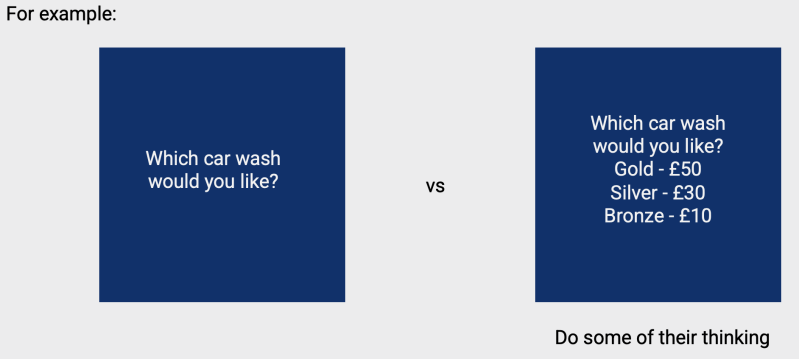
For example, offering pre‑framed choices (Gold, Silver, Bronze) helps System 1 make a quick decision without overthinking.
Anchoring - A form of priming, but with numbers
Anchoring is a form of priming that uses numbers to influence judgement.
1 x 2 x 3 x 4 x 5 x 6 x 7 x 8 = ? or 8 x 7 x 6 x 5 x 4 x 3 x 2 x 1 = ?
When faced with sums such as above, research showed that people estimate higher totals when the sequence began with large numbers. They generally thought the second sum would give a much higher result. They in fact equals the same number, 40,320!
Anchoring is widely used in pricing:
- Present a high price first to make subsequent prices feel reasonable
- Place a 'middle' option as the default
- Use 'was/now' framing to signal value
Anchors shape expectations before conscious reasoning begins.
Cognitive ease - How many animals of each kind did Moses take into the ark? 2 of each?
The brain prefers what feels easy. When information is familiar, clear, or repeated, we experience cognitive ease — a sense of comfort that increases trust. 'When our brains encounter familiar, simple, or repetitive information, we experience cognitive ease.'
Reducing ambiguity is one of the most powerful ways to motivate action and Moses didn't take animals into the ark, it was Noah.
When things feel difficult or ambiguous, people feel:
- Uncertain
- Vulnerable
- Stupid or tricked
Herd mentality and the need to belong
Humans are social creatures. We look to others to decide what is safe, acceptable, or desirable. People's behaviour is influenced by others everywhere… They activate our need for social validation.
This is why:
- Reviews and ratings matter
- Most popular labels work
- Crowded restaurants attract more customers
Belonging is a fundamental human need. When people feel connected, they tend to perform better and feel motivated to complete a task. When you don't feel like you belong, you may feel sad, anger, forgotten...
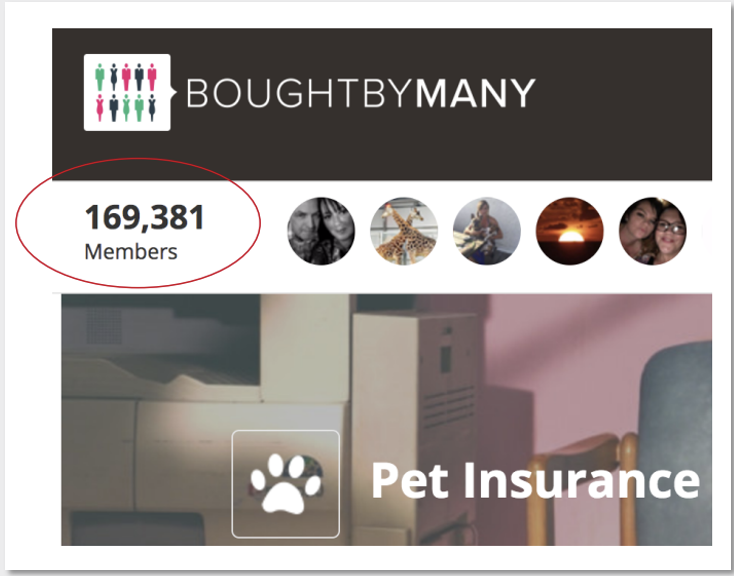
Offer popularity to help influence others, make me feel like I belong...
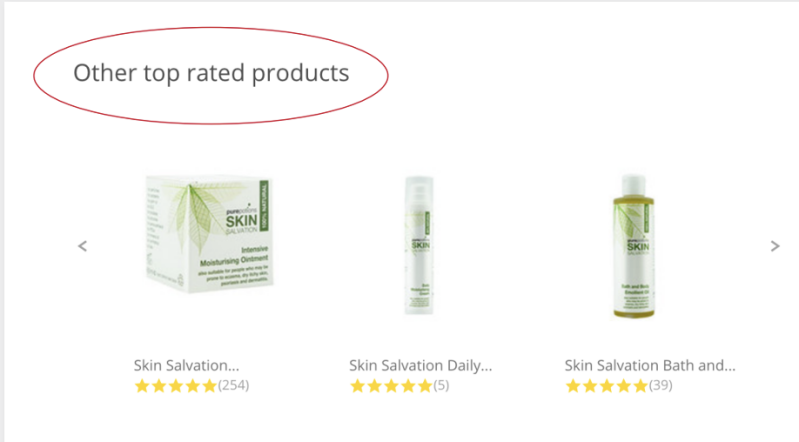
Ratings - seeing what others think, or do, influences our decisions all the time, It helps us to know we’re making the right choice.
Habits
Habits allow the brain to conserve energy. We need routine! Remember the lazy brain? (system 1).
Habits form through:
- Classical conditioning — automatic responses to cues
- Operant conditioning — behaviours reinforced by rewards
Promising rewards releases dopamine, and the dopamine system is most powerfully stimulated when it gets a little bit of information at a time, after we consume a bit of information, dopamine is released and makes us want more… it can be ‘addictive’ and sometimes dangerous…
To influence behaviour, attach new actions to existing habits or create simple cue‑reward loops.
However, by continuing our current patterns, or fitting in, we are often obstructing ourselves from discovering where we belong.
These patterns are mostly created unconsciously and carried out automatically (System 1 again).
Not every place you fit in is where you belong, so luckily we can also engage the unconscious and create new habits…

Instincts
Instincts drive rapid action. We’re constantly scanning our surroundings and are alert for danger, our instinct is to survive.
Many of our reactions and decisions come from instinct. Fear is a powerful motivator for action; it will grab your attention and get you to do something. For example, urgency and scarcity can motivate people to act quicker. Online you'll often see 'Offer ends in 12 hours', 'only 1 product left', '54 people are looking at this room'
People are motivated by:
- Loss aversion
- The desire for control
- The instinct to explore
- The need to feel safe
So when you give people choices, you give people control – and people love control.
Mastery: The drive to improve
Every human has an natural desire to get better at something. A universal human desire to want to be good at something… to be the best they can be.
Motivation increases when people:
- Receive feedback
- Experience challenge
- Enter a flow state
- Feel recognised
Mastery fuels long‑term engagement far more effectively than rewards alone.
Bringing it all together
Don’t expect people to just do something because you want them to, because you put it on your App/website, first you need to understand them, help them, nurture them and support them, to motivate and influence.
- When you want someone to make a quick decision, do some of their thinking.
- Show them that others are already doing it.
- People act on instinct… give them choices.
- Get them to form a new habit.
- Give short and clear feedback… Well done, you’re 'mastering' that!

Behaviour change isn’t about pushing people — it’s about designing environments, messages, and experiences that work with the brain, not against it.